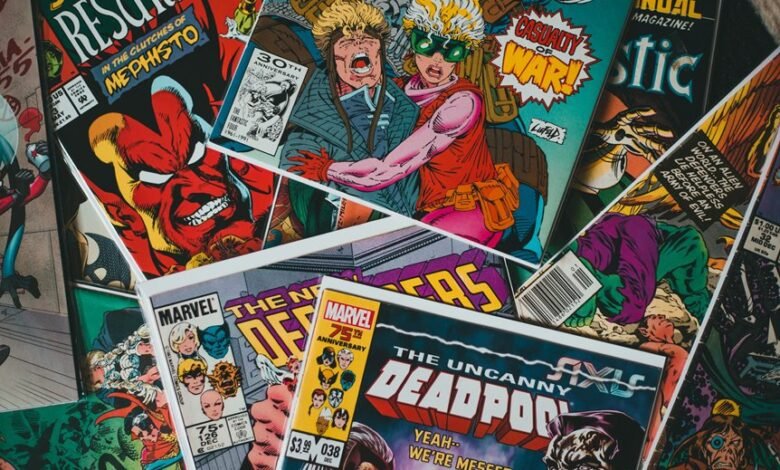
Light novels rely on prose to deliver extended narration and interiority, shaping mood through descriptive cadence. Manga conveys story through panels, artwork, and visual sequencing that control tempo and immediacy. Both leverage serialization, though formats constrain pacing and production realities differently. The contrast yields distinct audience experiences: textual depth versus rapid, image-driven progression. Yet the overlap—adaptation potential and cross-media influence—prompts a careful examination of what each medium values and how narratives are ultimately shaped. The next step clarifies those boundaries.
What Sets Light Novels and Manga Apart
Light novels and manga occupy distinct narrative ecosystems, distinguished by form, pacing, and audience engagement. The format difference shapes narrative voice, as prose can linger and elaborate while panels constrain tempo. Reader experience diverges: internal reflection versus visual immediacy. Visual storytelling in manga substitutes description with artwork, whereas light novels rely on descriptive depth, making genre awareness essential for interpreting intent and accessibility.
How Each Medium Architects Pace and Storytelling
Manga and light novels construct momentum through distinct formal mechanics: visual sequencing versus prose-led temporality. The analysis compares pacing mechanics, noting how panel vs prose shapes narrative perspective and tempo. Manga foregrounds snap judgments and implicit reader inference, while light novels exploit extended narration and interiority. Both modulate reader agency, yet differ in control: instantaneous visualization versus contemplative prose-generated cadence.
Audience, Formats, and Production Realities
Audience, formats, and production realities reveal how distribution channels, target demographics, and industry pipelines shape both the creation and reception of each medium.
The analysis contrasts light novels and manga through storytelling cadence and audience demographics, highlighting how serialization, rights management, and print/digital ecosystems constrain pacing, artwork, and adaptation choices.
This framework clarifies why readers encounter distinct temporal rhythms and narrative emphases.
When Adaptation Matters: Cross-Mormations Between Prose and Panels
How does adaptation recalibrate narrative texture when prose shifts into panels and vice versa? Cross-form calibrations reveal how imagery pacing migrates from descriptive passages to visual blocks, and how silence and detail compress into panel transitions.
The detachment analysis compares prose’s interiority with sequential rhythm, emphasizing how pacing choices govern clarity, tempo, and mood across mediums, revealing genre-aware constraints and freedoms.
Frequently Asked Questions
Do Light Novels Have Illustrations Like Manga?
Light novels typically include occasional illustrations, but far fewer than manga adaptations, whose panels define visual storytelling. Light novels rely on prose, with illustrations supporting scenes rather than delivering continuous panels, enabling a broader imaginative scope for readers.
How Long Does a Light Novel Series Typically Run?
Typically, light novels run from three to twelve volumes, with longer sagas surpassing twenty, and milestones at about 5 and 10 volumes. An anecdote: fans treat 5 volumes as a first arc checkpoint, signaling commitment and context.
Are There Differences in Writing Style Between LN and Manga?
Differences exist: writing pace tends to be denser in light novels, driven by prose narration, while manga relies on concise dialogue and visual pacing; narrative voice shifts, with LN leaning reflective, manga favoring external action and immediacy.
Can a Manga Be More Faithful to a Light Novel Than Others?
Different adaptation faithfulness varies with source material, production choices, and audience expectations; manga can be more faithful than others, and fan reception aspects hinge on pacing, detail, and interpretive clarity, while overall rigor remains comparative and genre-aware.
Do Authors Contribute to Both Light Novels and Manga Adaptations?
Authors contribute to both formats, though roles differ; light novels focus on prose, while manga emphasizes illustration style. This comparative analysis notes authors often supervise adaptations, ensuring thematic continuity, yet illustration-driven teams influence narrative emphasis and reader perception.
Conclusion
Light novels and manga occupy distinct narrative ecosystems: prose-driven interiority versus image-driven immediacy. The former cultivates mood, pacing through language, while the latter choreographs tempo with panels, framing, and visual shorthand. Both negotiate serialization, rights, and audience expectations, yet their production logics diverge—textual depth vs. visual cadence. When adapting across formats, strengths can be preserved or reimagined, underscoring a transferable core: storytelling priorities adapt, but thematic intent—character, world, and stakes—persists, staying true to genre-specific sensibilities, in tandem with audience appetite. Breakneck, yet measured, like a clockwork ballet.